

When Does Diverticulitis Require Surgery?
Wondering if your diverticulitis requires surgery? Learn when surgical intervention is truly necessary and how modern, minimally invasive options can help you find lasting relief.
If you need surgery for a colon or rectal condition, you might feel anxious about the recovery. At Boca Care Surgical Associates of Palm Beach County in Boca Raton, FL, we understand these concerns. Dr. Avraham Belizon specializes in advanced, minimally invasive techniques to help you heal.
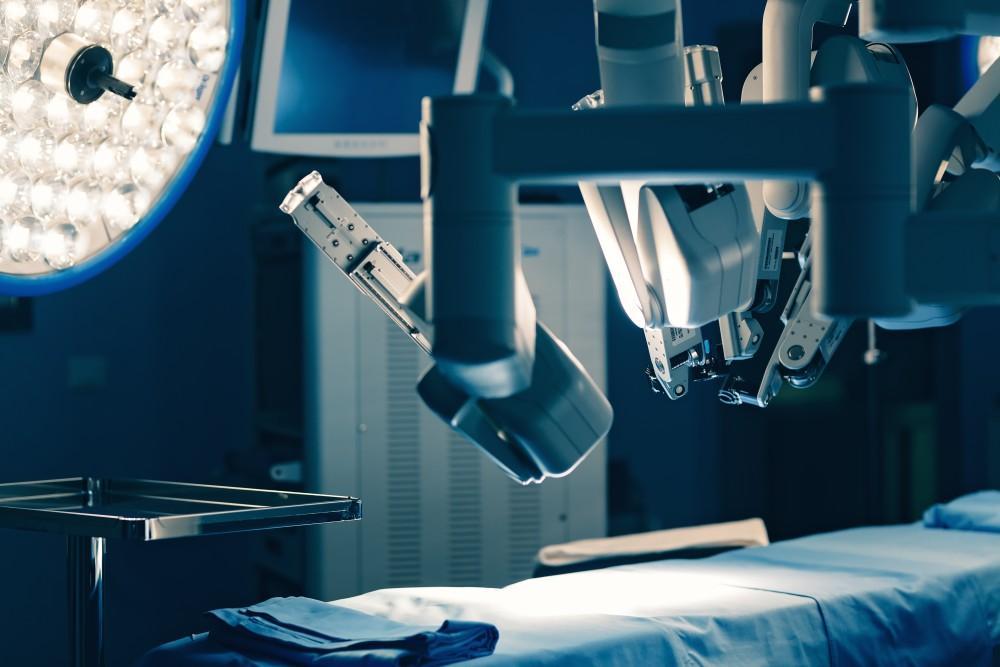
One of our most modern options is robotic surgery. This approach uses advanced technology to perform complex procedures with high precision. Let's look at what this technology is and how it can help you.
A common worry is that a robot performs the surgery on its own. In reality, the robotic system cannot act without a human operator. A review in Cureus explains that these systems use strict controls.
Dr. Belizon is in complete control of the system at all times. The machine translates his hand movements into precise, microscopic actions inside the body. It filters out natural hand tremors and provides a highly magnified, 3D view. This lets surgeons perform delicate work through tiny incisions.
Robotic surgery offers clear advantages over traditional open surgery and standard laparoscopy. A 2026 meta-analysis in Surgical Endoscopy evaluated 2,965 adult patients undergoing elective colorectal surgery. The study found that robotic surgery was associated with a significantly lower conversion rate to an open incision.
Patients in the robotic group also had a reduced hospital stay of 0.73 days. However, the setup does require more time, adding 39.26 minutes to the overall surgery.
The technology is also highly beneficial for deep pelvic surgeries. A 2024 study in BMC Surgery evaluated 102 adults with middle and low rectal cancer. Those who had robotic surgery showed faster and more complete recovery of urinary and sexual function at 12 months. The robot's high-definition cameras help us protect the microscopic nerves in this tight space.
While the technology is highly advanced, it isn't a universal upgrade for every procedure. The American Society of Colon and Rectal Surgeons notes that robotic surgery is safe and feasible. However, its exact benefits depend on your specific condition.
We tailor our surgical approach to your unique anatomy and health history. At our Boca Raton, FL office, we offer robotic options for several conditions. These include colon cancer, rectal cancer, and diverticulitis. We also specialize in advanced techniques like incision-less robotic colorectal resection. During your consultation, we will discuss whether a robotic or standard laparoscopic approach is best for you.
Facing colorectal surgery can feel overwhelming, but you do not have to navigate it alone. Our team will guide you through every step of your recovery. To discuss your options and see if robotic surgery is right for you, schedule a visit with our team today.


